Dans l'industrie de l'emballage, l'efficacité, la qualité et l'optimisation des coûts sont les trois piliers qui déterminent la compétitivité. Pour les fabricants de boîtes en carton et les distributeurs de machines à carton ondulé, comprendre le fonctionnement d'une ligne de production de carton ondulé et savoir choisir la configuration adéquate est essentiel pour une croissance durable de l'entreprise.
Cet article explore le technologies de base, composants du système, perspectives du marché et considérations d'investissement des lignes modernes de production de carton ondulé, offrant des informations concrètes aux propriétaires d'usines et aux agents équipementiers.
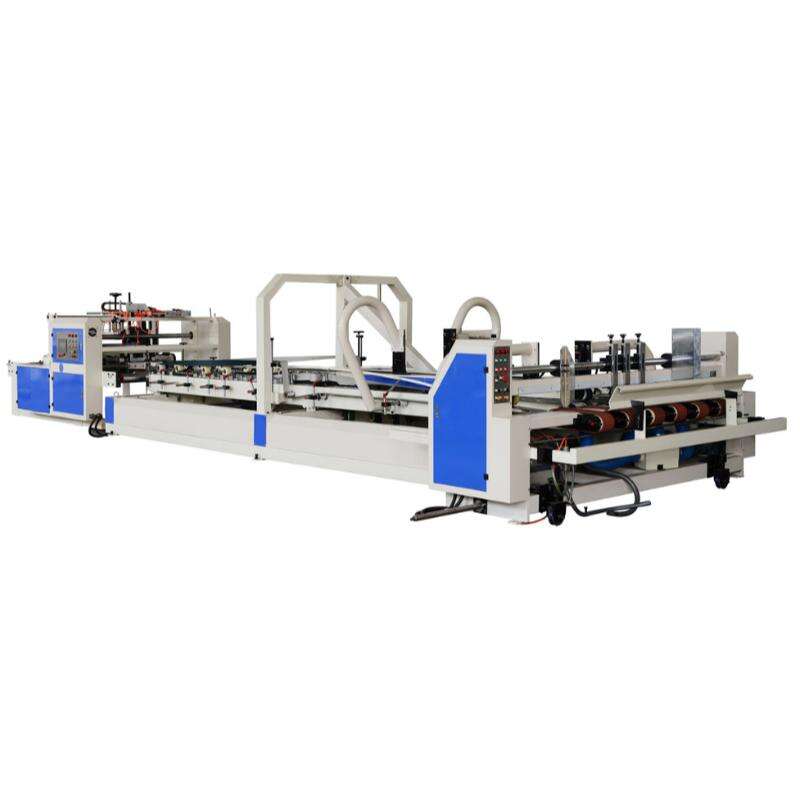
A ligne de production de carton ondulé est un système entièrement intégré qui transforme le papier de base (papier couché et papier ondulé) en feuilles de carton ondulé. Ces feuilles sont ensuite découpées, rainurées, imprimées et pliées pour former divers types de boîtes d'emballage.
En général, une ligne de production complète comprend plusieurs unités interconnectées :
Support de rouleau de moulin : Maintient et déroule les rouleaux de papier.
Préchauffeur : Ajuste l'humidité et la température du papier pour améliorer l'adhérence.
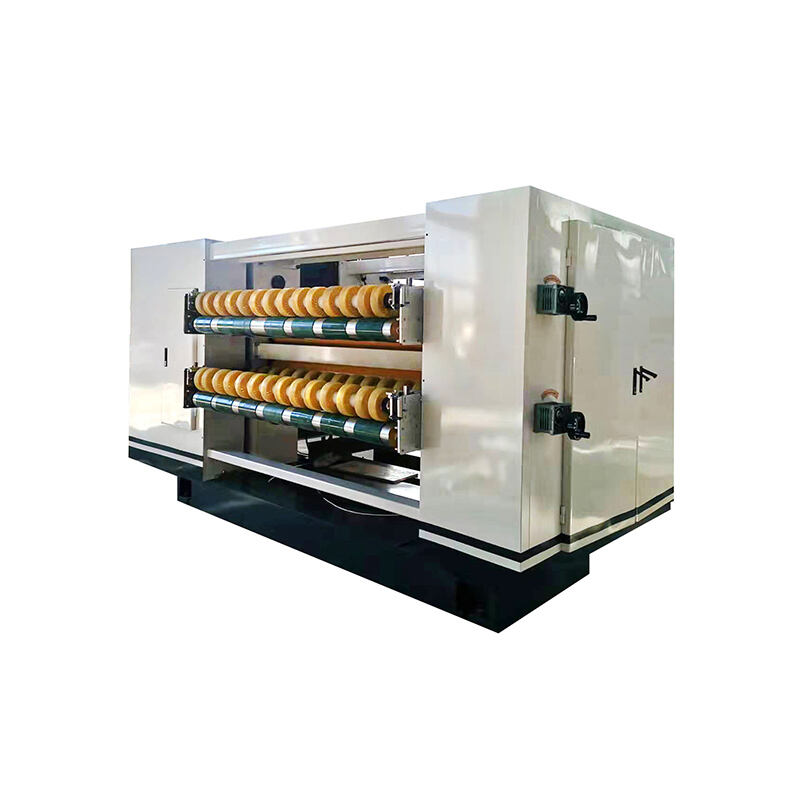
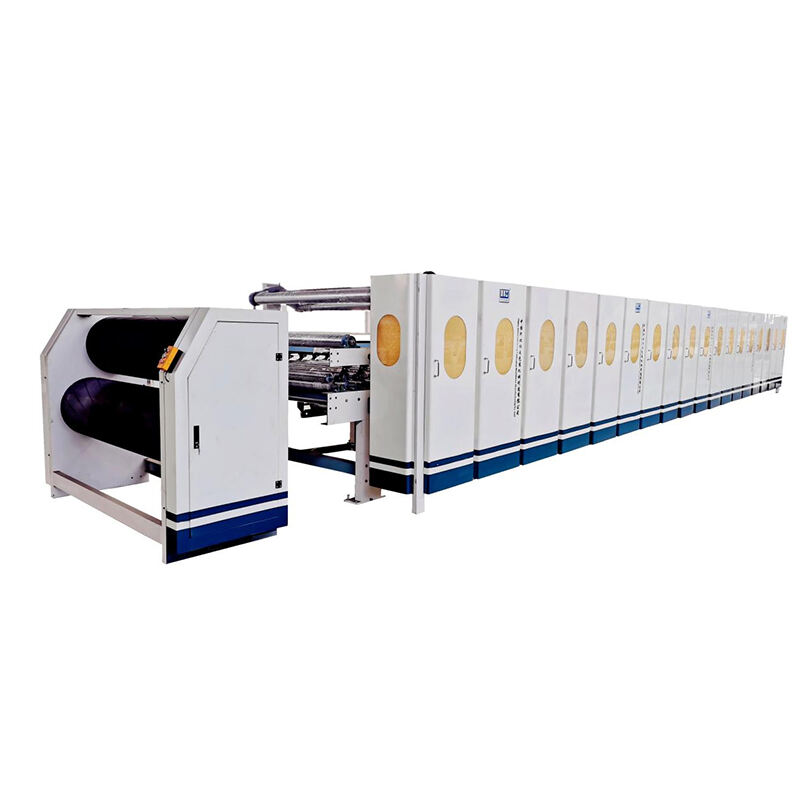
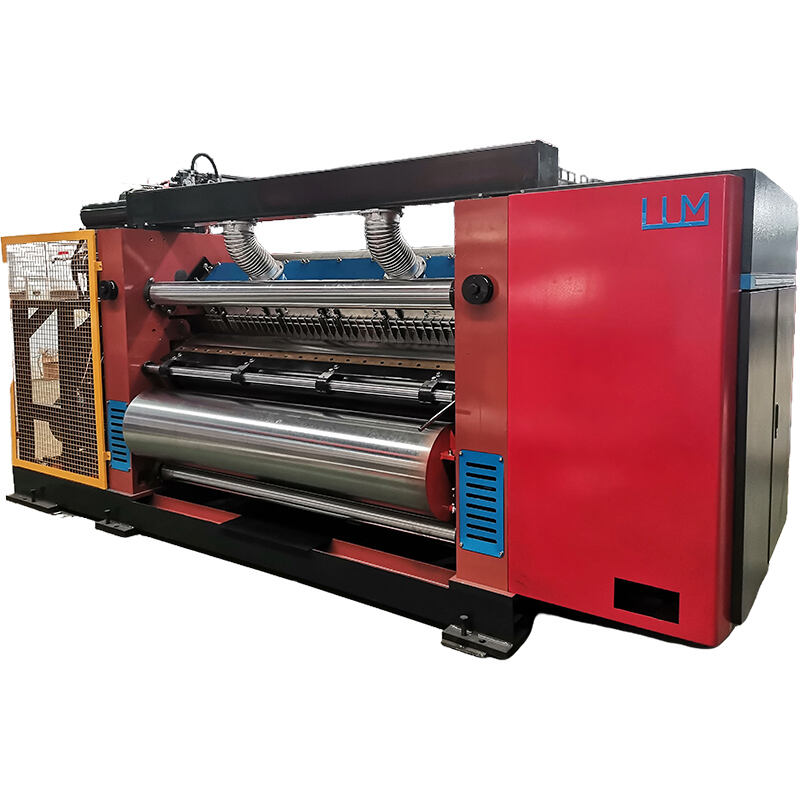
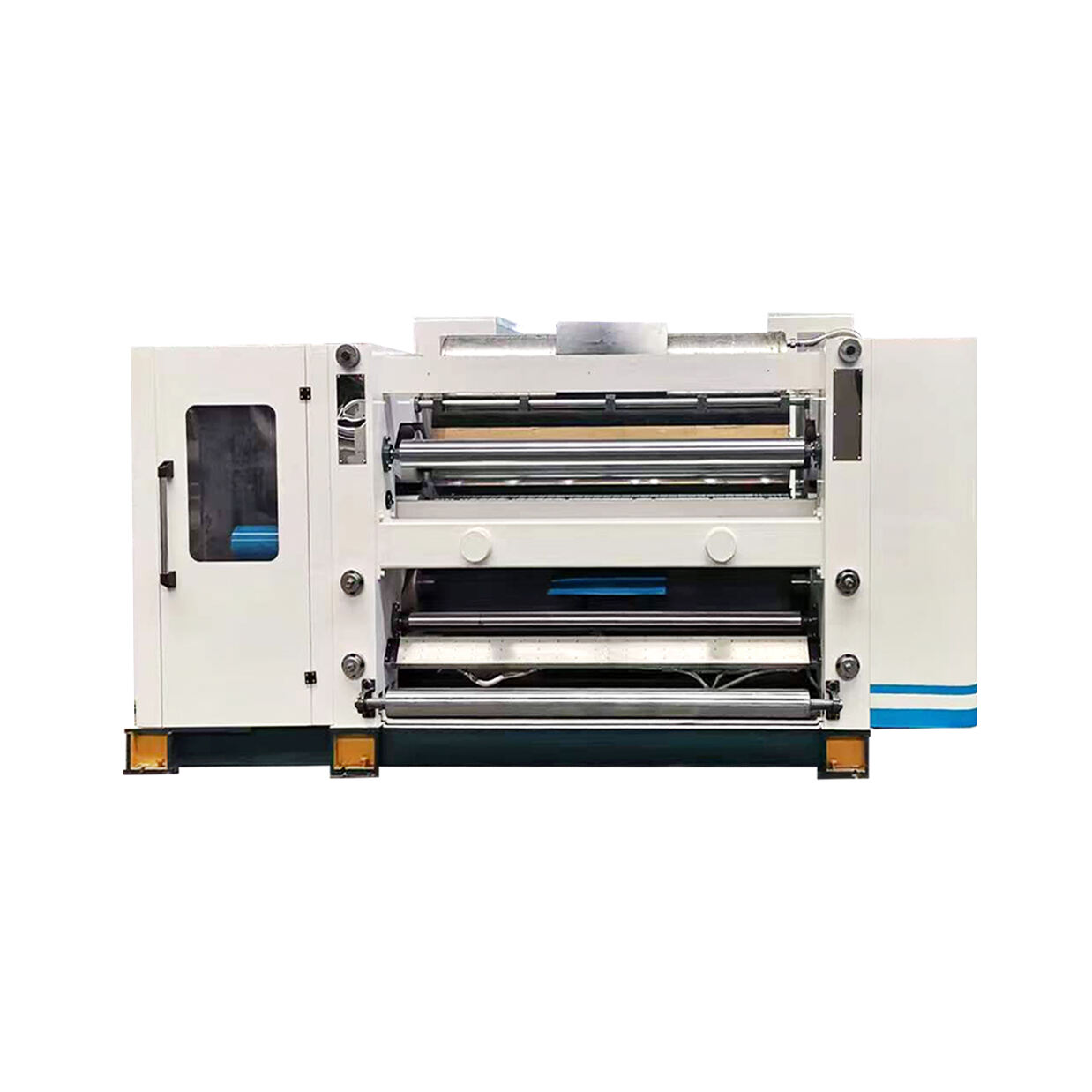
Onduleuse simple face : Forme le papier ondulé (ondulé) en chauffant et en pressant le papier à travers des rouleaux onduleurs, applique un adhésif à base d'amidon, puis le colle à une feuille de revêtement.
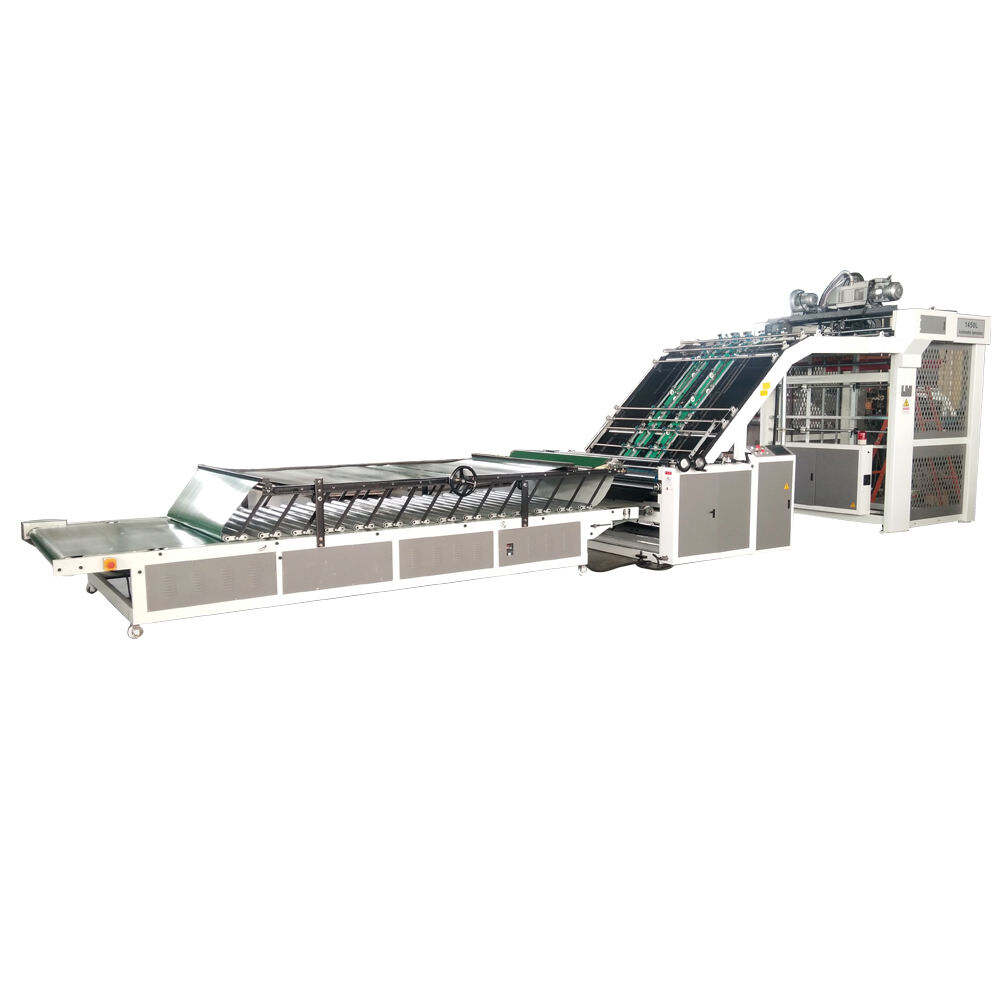
Doubleur : Assemble plusieurs couches (3 plis, 5 plis ou 7 plis) pour former un panneau complet.
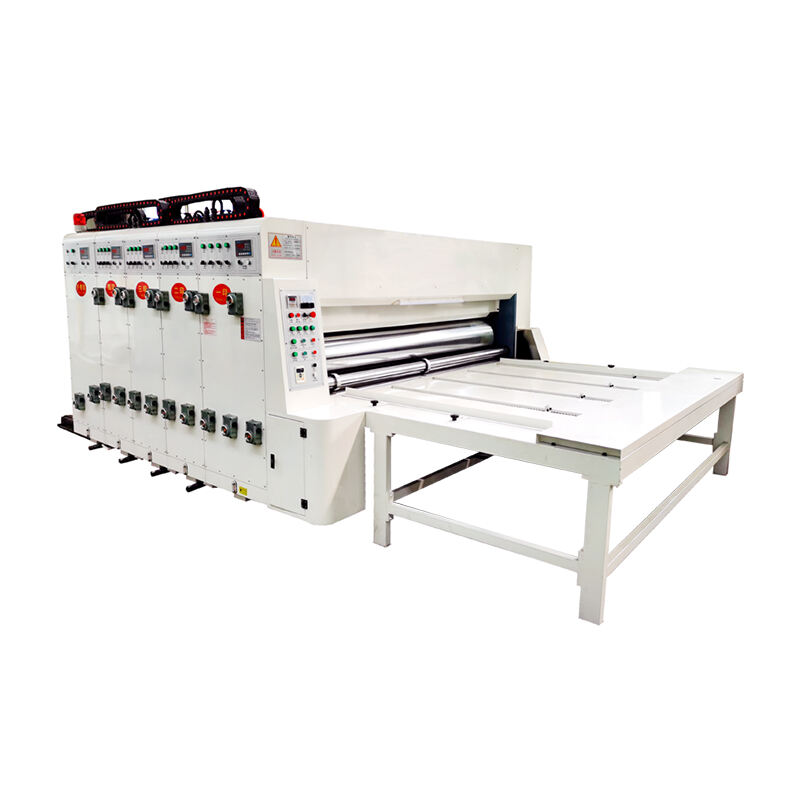
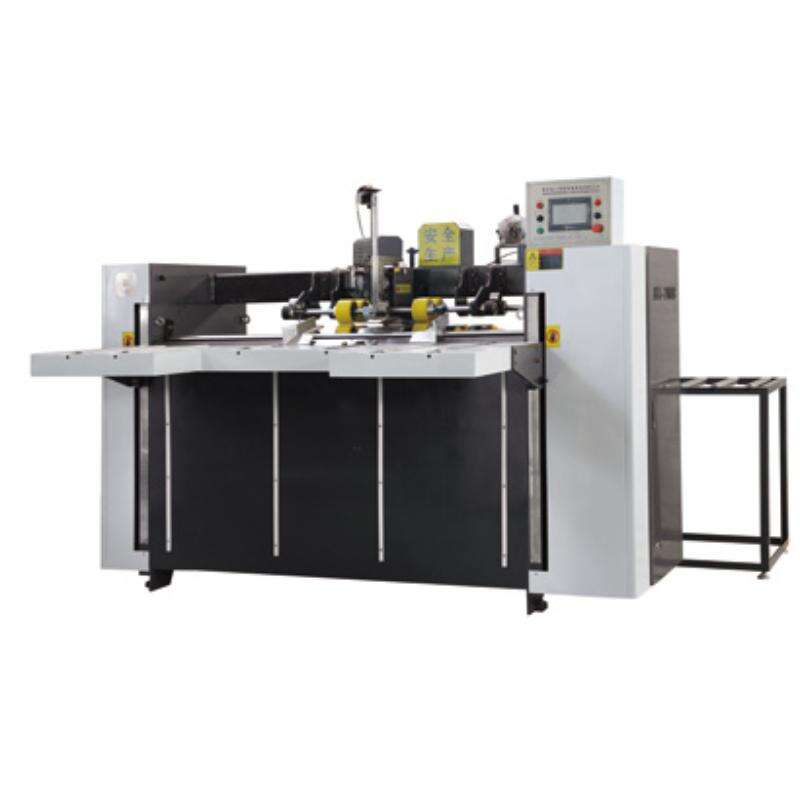
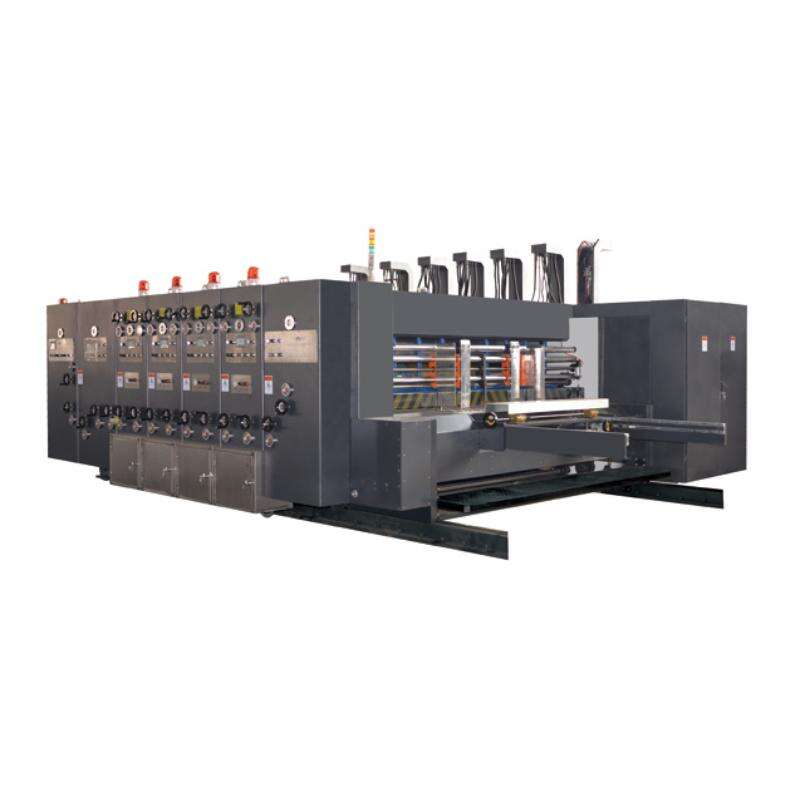
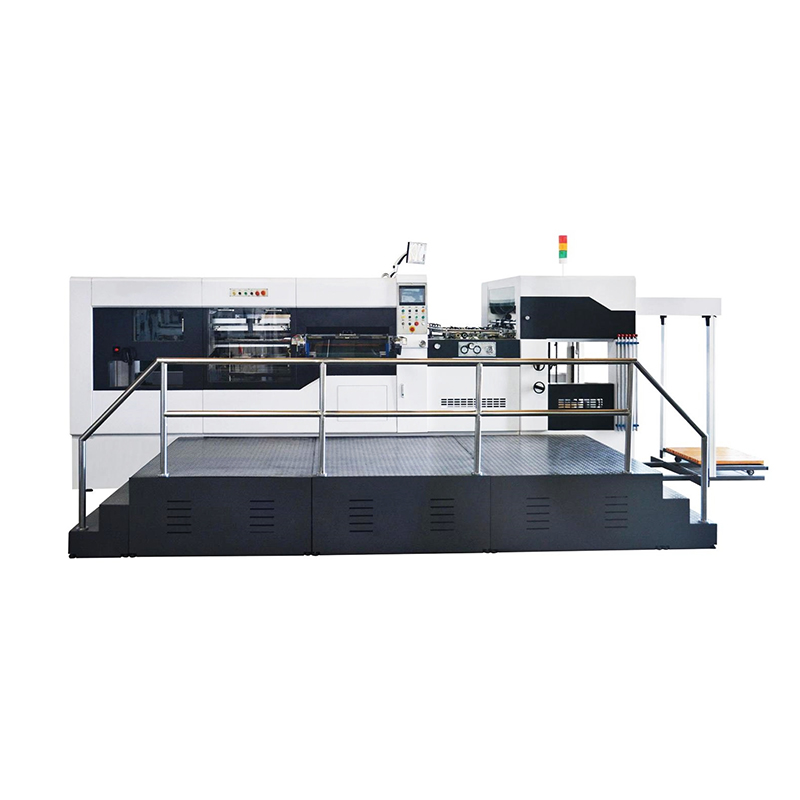
Machine de découpe et rainurage : Découpe et plie les feuilles selon les dimensions de la commande.
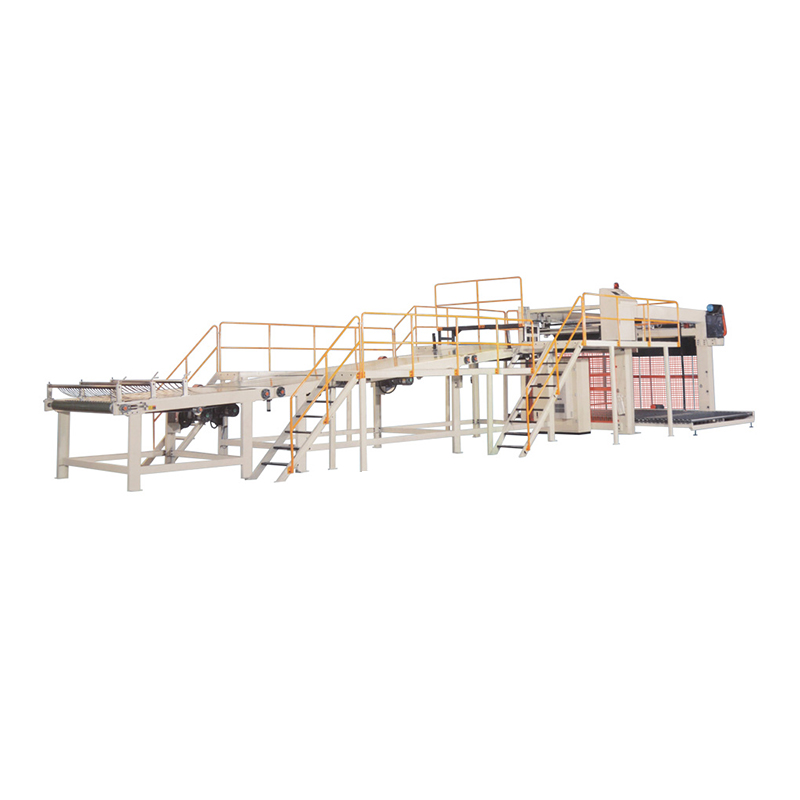
Empileur : Récupère et empile les panneaux finis pour les processus en aval.
Une ligne complète de production de carton ondulé transforme ainsi le papier brut en panneaux prêts à être imprimés grâce à un processus continu, rapide et contrôlé avec précision.
En savoir plus sur les spécifications complètes de la ligne de production ici :
ligne de production de carton ondulé 7 plis
Les différentes échelles de production et marchés nécessitent des configurations de ligne différentes. De manière générale, les lignes de production de carton ondulé peuvent être classées comme suit :
A single facer produit un panneau à simple face — une couche ondulée collée à une feuille de revêtement.
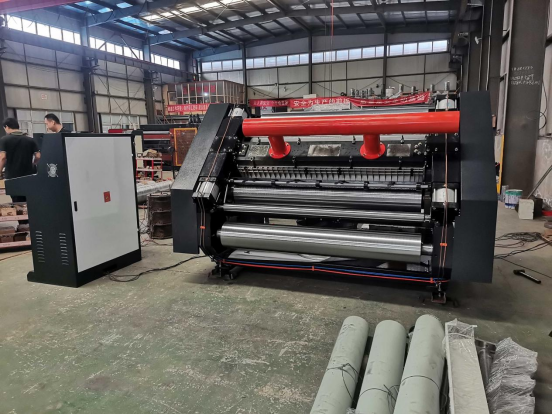
Ce système est idéal pour les petits fabricants ou spécialisés produisant des panneaux stratifiés, des rouleaux étroits, ou testant de nouvelles combinaisons de papier.
Avantages : Encombrement réduit, investissement moindre, installation rapide.
Vitesse typique : 60–150 m/min
Idéal pour : Installations de petite ligne de production de carton ondulé ou applications de recherche et développement.
Ce sont les configurations les plus courantes dans la fabrication d'emballages en carton :
ligne 3 plis : Produit un carton ondulé simple cannelure (une couche ondulée, deux feuilles de revêtement).
ligne 5 plis : Produit des panneaux ondulés double paroi (deux cannelures, trois couches) pour des emballages résistants destinés à des produits industriels ou à la logistique du commerce électronique.
Utilisées pour les emballages d'exportation, les meubles et les grands appareils électroménagers. Ces lignes à haute capacité intègrent souvent une automatisation avancée, un contrôle de tension et une surveillance informatisée de la qualité.
Selon Smithers (2024) , le marché mondial de l'emballage en carton ondulé devrait dépasser 350 milliards de dollars d'ici 2030 , en croissance de TCAC de 4,2 % . Cette croissance est alimentée par le commerce électronique, les réglementations en matière de durabilité et le remplacement des emballages plastiques.
Pendant ce temps, L'Asie-Pacifique reste la région à la croissance la plus rapide , représentant plus de 45 % du volume de production mondial , portée par la Chine, l'Inde et l'Asie du Sud-Est. Ce changement redéfinit les schémas d'investissement dans les machines, avec une demande croissante de lignes de production ondulées moyennes, flexibles et économes en énergie .
En outre, un rapport de 2023 publié par Technavio indique que plus de 60 % des petites usines de cartonnage passent à des lignes semi-automatiques ou modulaires afin de réduire les temps d'arrêt et d'améliorer la constance de la qualité.
Les API intelligents et les interfaces à écran tactile permettent désormais aux opérateurs de contrôler en temps réel la température, la pression, le débit d'adhésif et la vitesse.
Intégration avec Systèmes SCADA permet la maintenance prédictive et l'analyse des données de production.
Les lignes modernes intègrent :
Des systèmes de vapeur en circuit fermé pour un chauffage efficace.
Variateurs de fréquence (VFD) afin de minimiser la consommation d'énergie.
Contrôle automatique de la colle pour éviter le gaspillage et améliorer l'uniformité de collage.
Les unités de découpe-encrage motorisées par servomoteurs et les systèmes numériques de commande permettent un changement rapide de format, essentiel pour la production de courtes séries et à la demande dans le marché actuel de l'emballage personnalisé.
Des systèmes d'inspection visuelle haute vitesse détectent en temps réel les décollements, les déformations et les défauts de colle.
Certains modèles haut de gamme incluent des capteurs intégrés d'humidité et d'épaisseur , améliorant ainsi la régularité des panneaux.
Le choix d'une ligne de production de carton ondulé nécessite l'évaluation de plusieurs facteurs techniques et opérationnels.
Définissez votre objectif de production journalier et heures de fonctionnement prévues.
Petites et moyennes usines : 100–180 m/min
Grandes usines intégrées : 250–350 m/min ou plus
Une ligne à vitesse plus élevée nécessite davantage d'automatisation et un système électrique et de vapeur stable.
Déterminez votre gamme de produits principale :
Emballages légers : papier 3 plis, faible grammage (GSM)
Boîtes industrielles ou d'exportation : carton de 5 plis ou 7 plis avec doublures renforcées
Votre choix influence la conception du collageur simple, la configuration du préchauffeur et la capacité du système d'encollage.
Tandis qu'une petite ligne de production de carton ondulé peut coûter 200 000 à 400 000 USD , une ligne automatique complète de 7 plis peut dépasser 2 millions USD , selon la largeur, la vitesse et le niveau d'automatisation.
Toutefois, le retour sur investissement est généralement atteint en 3–5 ans , surtout lors du remplacement de systèmes manuels ou obsolètes.
Prendre en compte l'aménagement de l'usine, le flux des matériaux et les réglementations de sécurité.
Les lignes ont généralement une longueur de 40 à 100 mètres, nécessitant une logistique optimisée pour l'alimentation en papier et l'empilement des panneaux.
Choisir un fournisseur disposant de :
Service technique local
Accès facile aux rouleaux, paliers et unités de colle
Formation et documentation destinées aux opérateurs
Cela garantit une stabilité à long terme et une réduction des temps d'arrêt pour maintenance.
Les lignes de fabrique sont de plus en plus connectées à des imprimantes numériques et des systèmes de transformation de caisses , permettant Emballage intelligent Industry 4.0 production.
Les gouvernements du monde entier encouragent les adhésifs écologiques , papier léger , et matériaux d'emballage recyclables .
Cela favorise l'adoption de machines à carton ondulé écoénergétiques et à faible production de déchets.
Les fabricants préfèrent désormais des onduleurs modulaires — permettant des mises à niveau ultérieures, comme l'ajout de nouveaux formeurs simples ou d'unités de collage, afin de s'adapter à la demande du marché flexible.
Avec l'automatisation croissante, la formation technique devient essentielle.
Les usines leaders mettent en œuvre des tableaux de bord numériques et des tutoriels de maintenance pour combler l'écart de compétences.
Pour améliorer le ROI, les fabricants de cartons peuvent appliquer plusieurs mesures pratiques :
Utiliser des systèmes de raccord automatique pour réduire les temps d'arrêt lors du changement des rouleaux de papier.
Intégrer des systèmes de cuisine à colle pour garantir une viscosité et une consommation constantes.
Surveiller la consommation de vapeur à l'aide de débitmètres afin de réduire les factures énergétiques.
Planifier la maintenance préventive toutes les 2 000 à 3 000 heures de fonctionnement.
En combinant automatisation et rigueur dans les processus, la plupart des usines réalisent des gains d'efficacité de production de 10 à 15 % au cours de la première année d'exploitation.
Lors de l'exportation ou de la mise à niveau, assurez-vous que votre ligne ondulée est conforme aux normes suivantes :
ISO 12647-6 : Normes de reproduction des couleurs et de l'impression
Certifications CE et UL : Conformité électrique et sécurité des machines
FSC / PEFC : Approvisionnement responsable en papier durable
Le respect de ces normes renforce non seulement la crédibilité sur le marché, mais facilite également les exportations et les partenariats avec des équipementiers.
Alors que les exigences en matière d'emballage évoluent vers la personnalisation, la durabilité et l'automatisation intelligente, investir dans une ligne optimisée ligne de production de carton ondulé est à la fois une décision technique et stratégique.
Que vous soyez un ligne de production de cartons opérateur, un fabricant de machines onduleuses , ou un distributeur régional , la clé du succès réside dans l'équilibre entre vitesse, flexibilité et fiabilité à long terme .
Une ligne bien choisie améliore non seulement la qualité et l'efficacité, mais renforce également votre position concurrentielle dans la chaîne de valeur mondiale de l'emballage ondulé.

Lincheng company, fabrication de lignes de production de carton ondulé à 3, 5 et 7 couches, machines d'impression flexographique, de découpe et d'embossage, ainsi que soutien technique pour les machines à cartons
Comté de Dongguang, ville de Cangzhou, province du Hebei, Chine
Droits d'auteur © Hebei Lincheng Packaging Machinery Manufacturing Co., Ltd Tous droits réservés Politique de confidentialité
 EN
EN