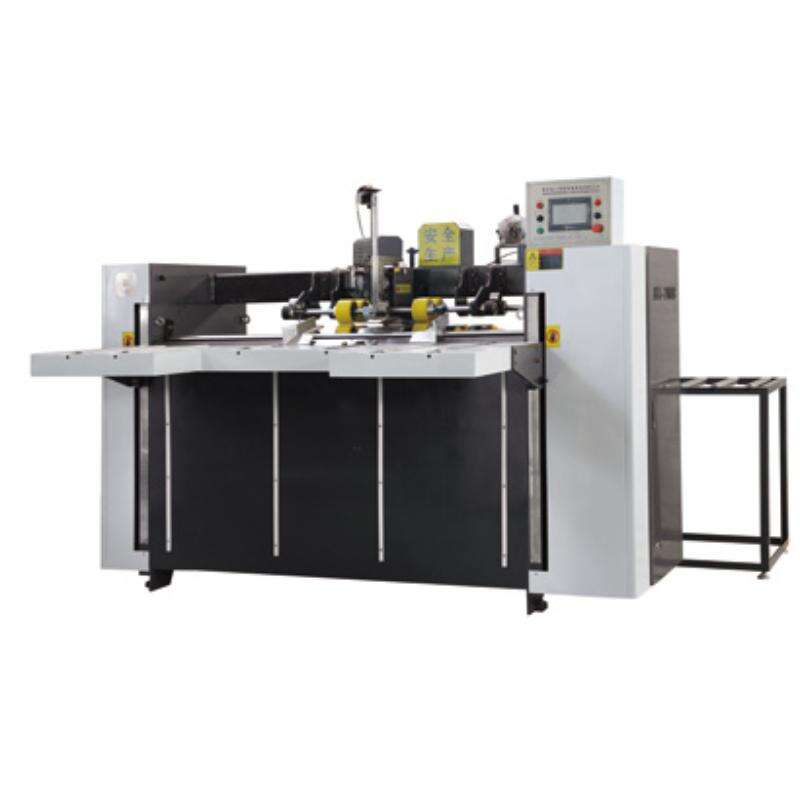
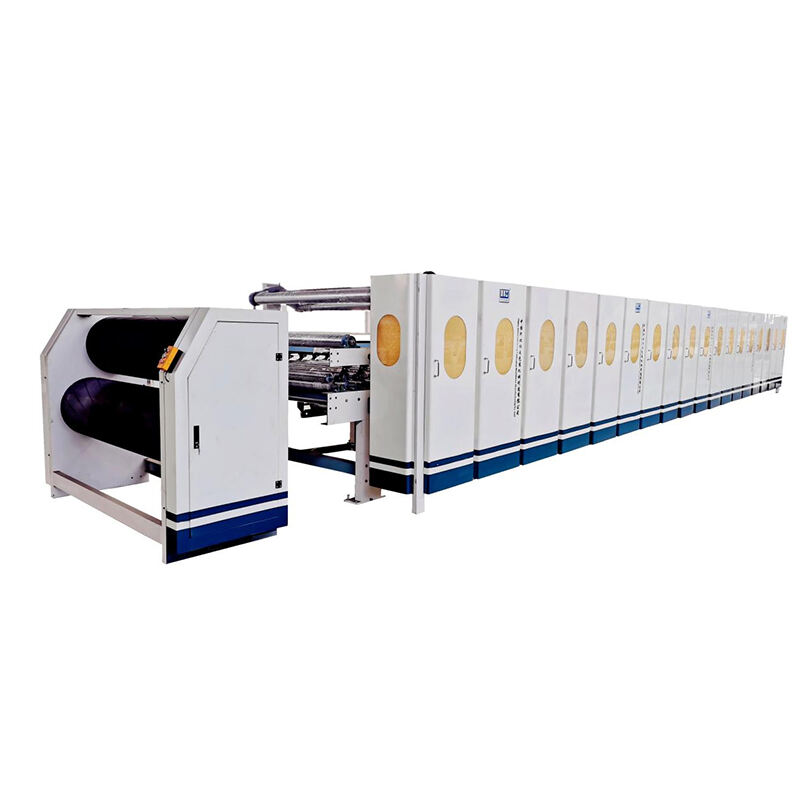
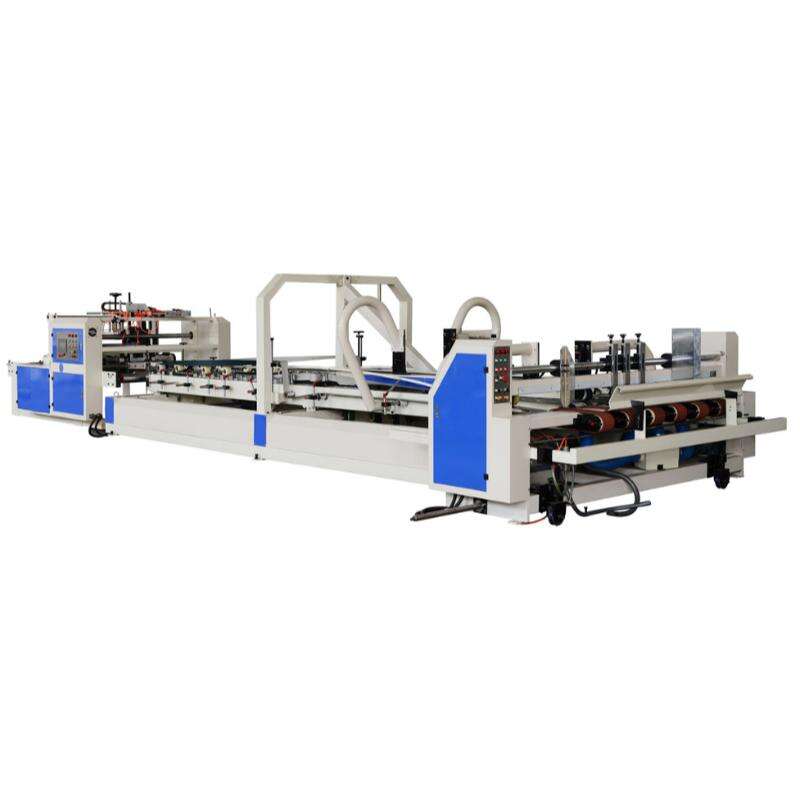
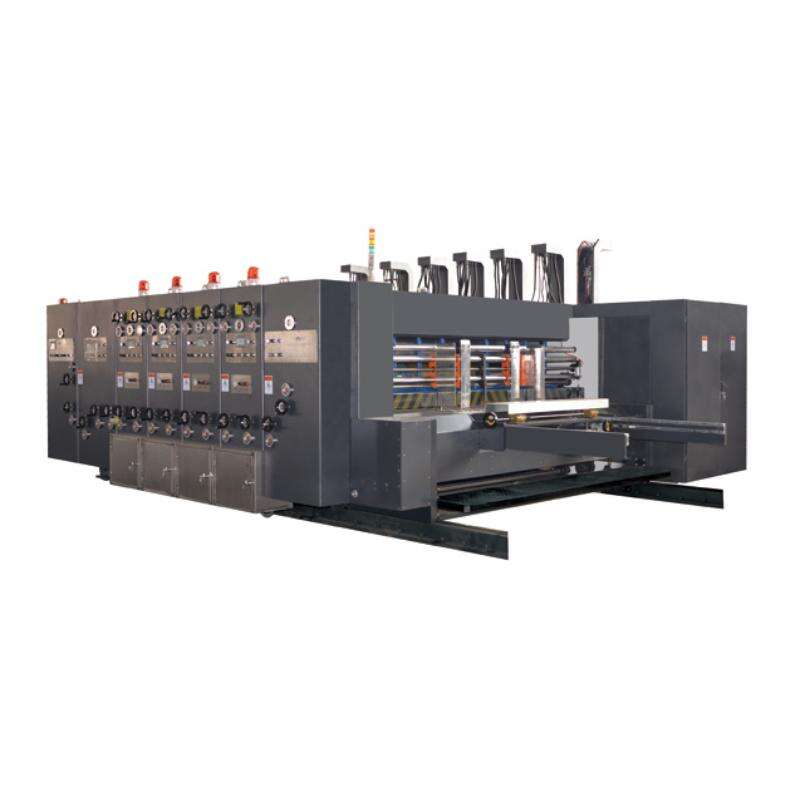
بالنسبة لمديري المشتريات في مصانع الكرتون وموزعي الآلات، فإن اختيار خط إنتاج الورق المموج المناسب يُعد قراراً استثمارياً حاسماً. ويقدم هذا الدليل إطاراً واضحاً ومهنياً يشمل تطوير المواصفات والتكامل النظامي وتحليل العائد على الاستثمار (ROI)، لضمان دفع استثمارك نحو نمو الأعمال.
1. مواصفات مدفوعة بالطلب: مواءمة عرض الجهاز (1400-2800 مم)، والسرعة (100-300 م/دقيقة)، وقدرات نوع المموج (A، B، C، E، F) بشكل مباشر مع متطلبات كرتون السوق المستهدف —من أنظمة التموج ثلاثية الطبقات خفيفة الوزن إلى الأنظمة الثقيلة ذات السبعة طبقات.
2. التكلفة الإجمالية للملكية: ضع في اعتبارك العوامل طويلة الأجل التي تتجاوز السعر الأولي. قيّم العائد على الاستثمار طويل الأجل للمكونات المتينة مثل بكرات التموج من كربيد التングستن، والتي تقلل من وقت التوقف وتكاليف الصيانة —خاصةً في العمليات عالية الحجم.
3. التكامل السلس والامتثال: تأكد من أن الخط يتكامل مع سير العمل الحالي ويتوافق مع معايير السلامة والكهرباء الإقليمية —وهي اعتبارات حاسمة لضمان عمليات سلسة في الشرق الأوسط.
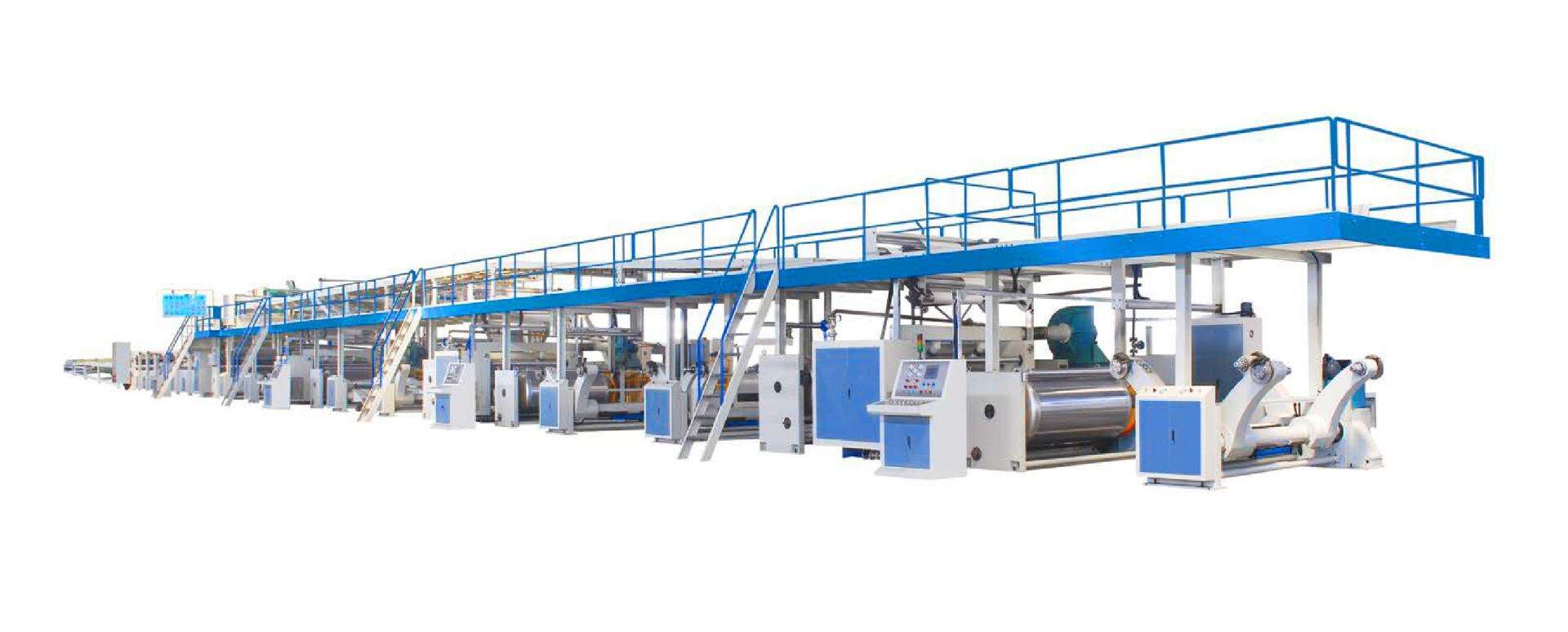
يُعد تحديد المواصفات الفنية بدقة لخط إنتاج الكرتون المموج الخطوة الأكثر أهمية في عملية الشراء. أي انحراف هنا قد يؤدي إلى عدم الكفاءة على المدى الطويل، وجودة منتج رديئة، وعدم القدرة على تلبية متطلبات السوق. دعنا نحلل المعايير الرئيسية بناءً على التكوين القياسي لخط الإنتاج من سلسلة LUM.
تعمل خطوط الإنتاج المتكاملة مثل سيمفونية منسقة بشكل جيد. ومن الضروري فهم دور كل مكون.
1. حامل لفافة الورق: تُعدّ هذه النقطة بداية خط الإنتاج. ويجب أن تكون قادرة على التعامل بكفاءة مع لفائف الورق ذات الأقطار والأوزان المختلفة، كما يجب أن تحتوي على وظيفة التوصيل التلقائي للورق لضمان استمرارية الإنتاج دون توقف، وهي خاصية أساسية لتعظيم سرعة الخط وكفاءته.
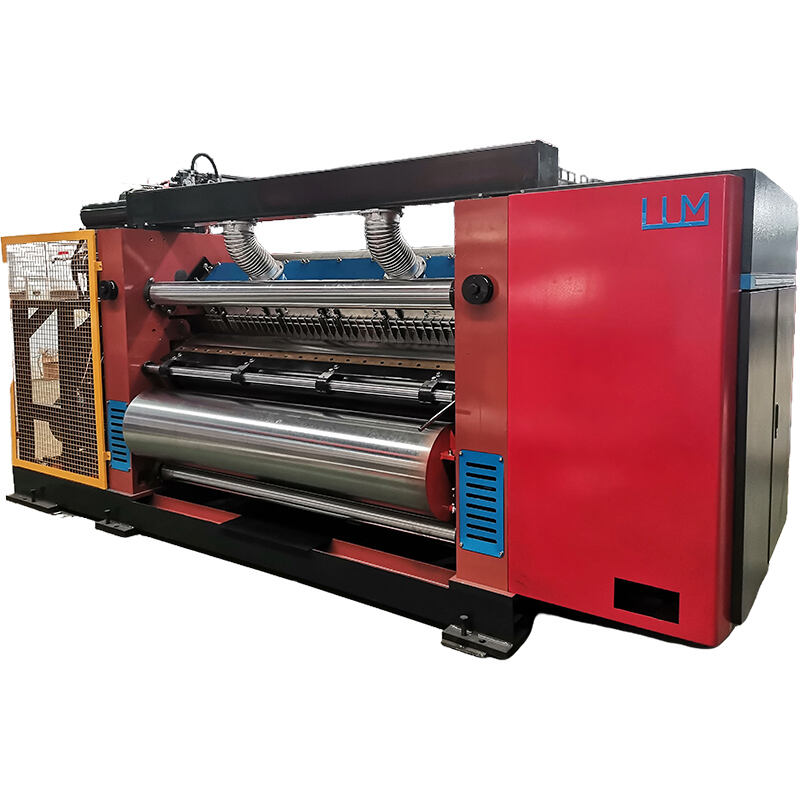
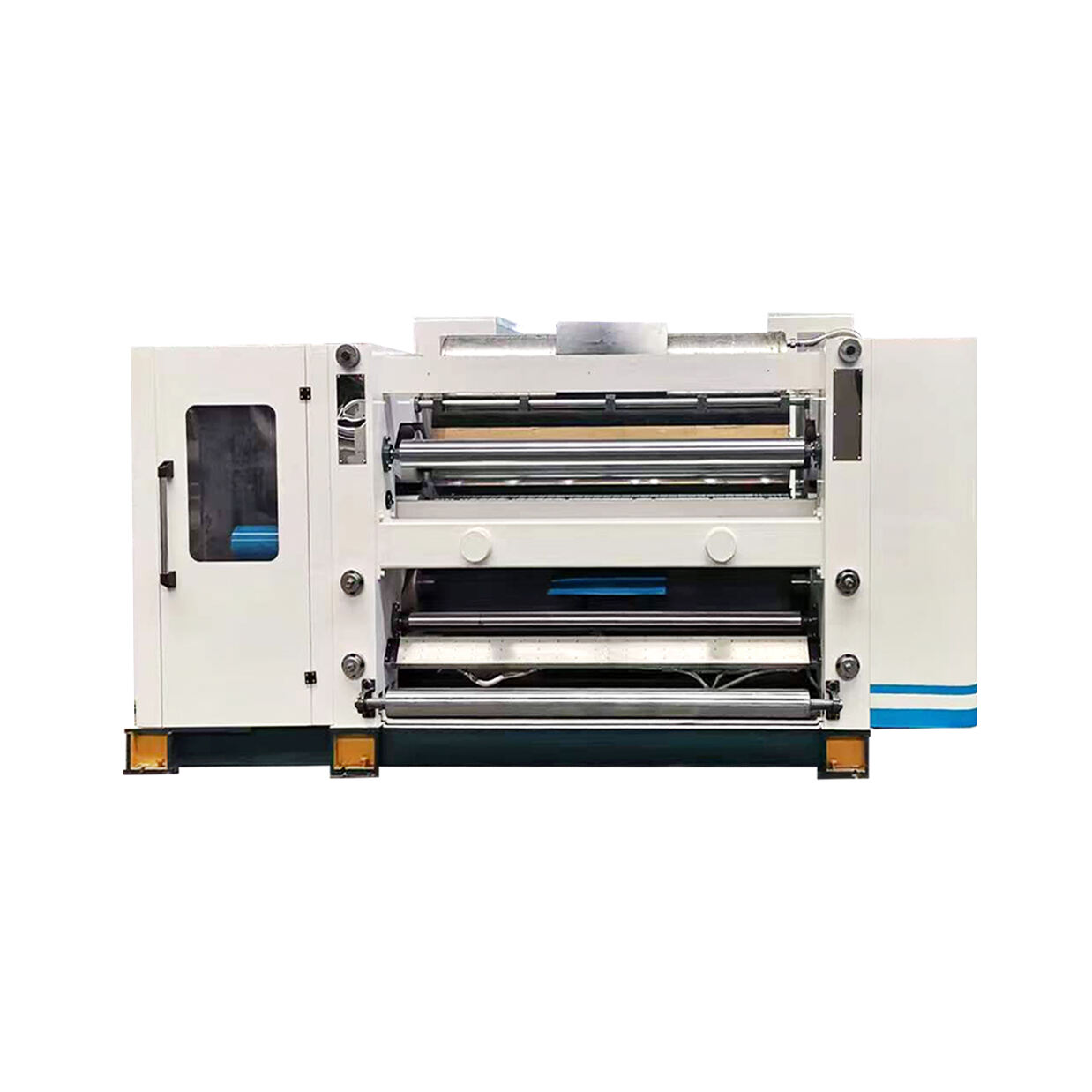
2. ماكينة التموج أحادية الوجه: تُعتبر القلب النابض لخط الإنتاج. وفي هذه المرحلة، يتم تشكيل الطبقة الوسطى لمادة التموج إلى أضلاع (تموجات) وتُلصق بورق البطانة. وتحدد جودة ماكينة الوجه الواحد، وبخاصة بكرات التموج، قوة الكرتون النهائي وثباته.
3. اسطوانة التسخين المسبق: تقوم بتعديل خواص الورق من خلال التسخين والتبليل، مما يعزز مرونته أثناء عملية التموج. ويُعد التكييف السليم أمراً بالغ الأهمية للحصول على ربط قوي ومنع حدوث تشوهات.
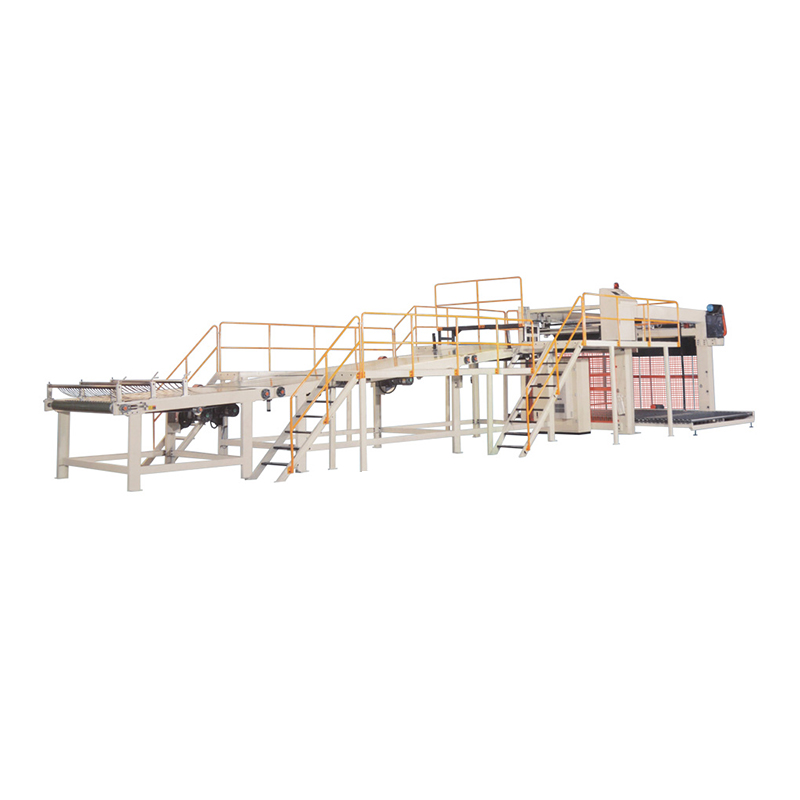
4. جسر الناقل: يعمل كنظام تخزين ونقل، ويقوم بنقل اللوح المموج أحادي الوجه إلى المرحلة التالية. ويتيح هذا الإنتاج المستمر حتى أثناء التوقفات المؤقتة في المراحل اللاحقة.
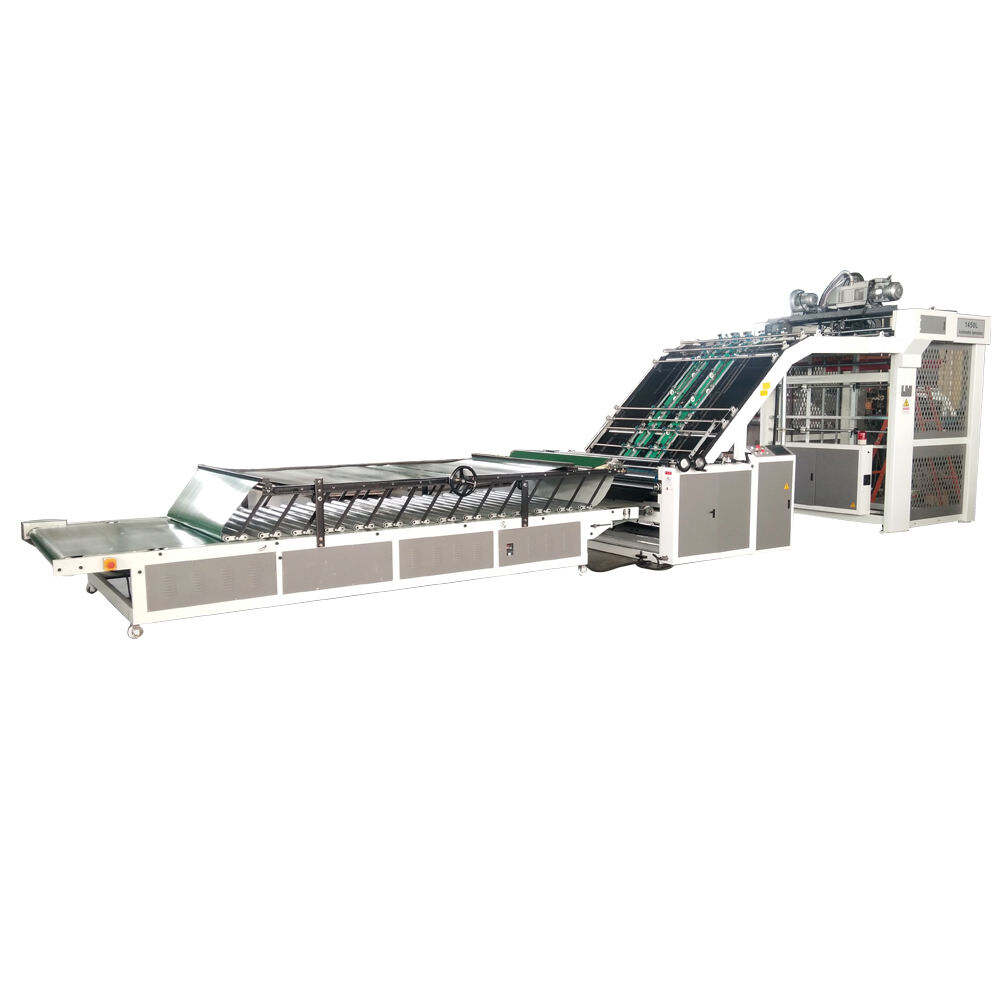
5. جهاز تطبيق الغراء: يُطبّق لاصقًا دقيقًا ومتساويًا على قمم الطيات لتثبيتها مع الطبقة الثانية. ويمنع الدقة في هذا الجزء استخدام كمية زائدة أو ناقصة من النشا، مما يؤثر على التكلفة وقوة الالتصاق معًا.
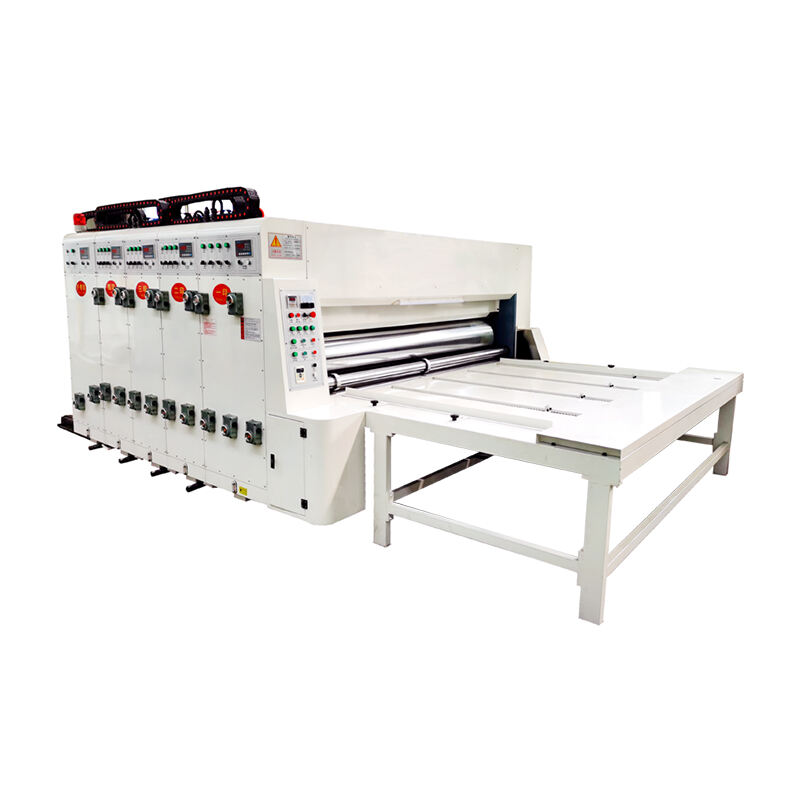
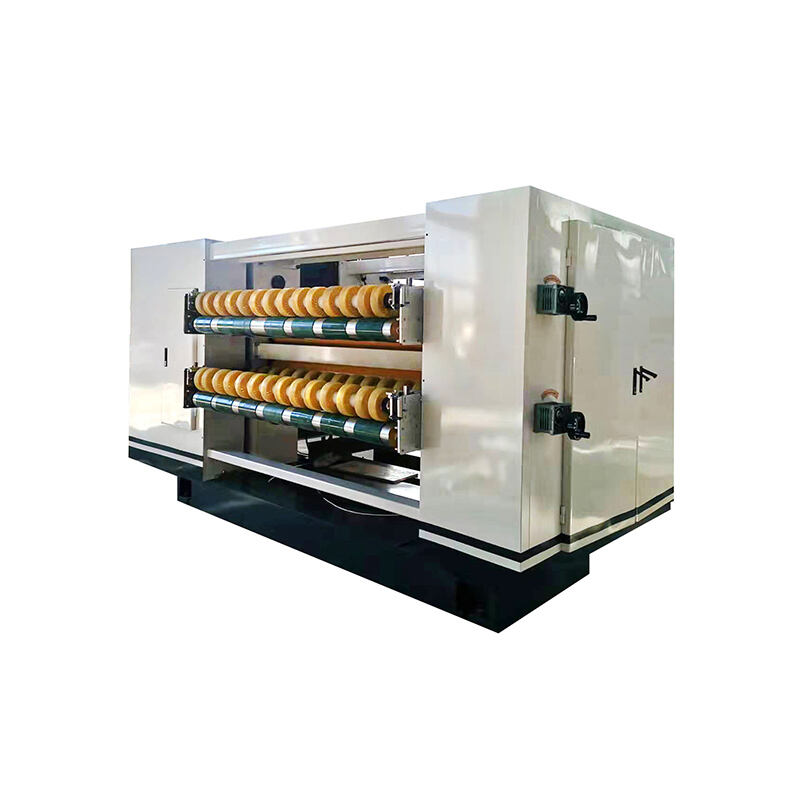
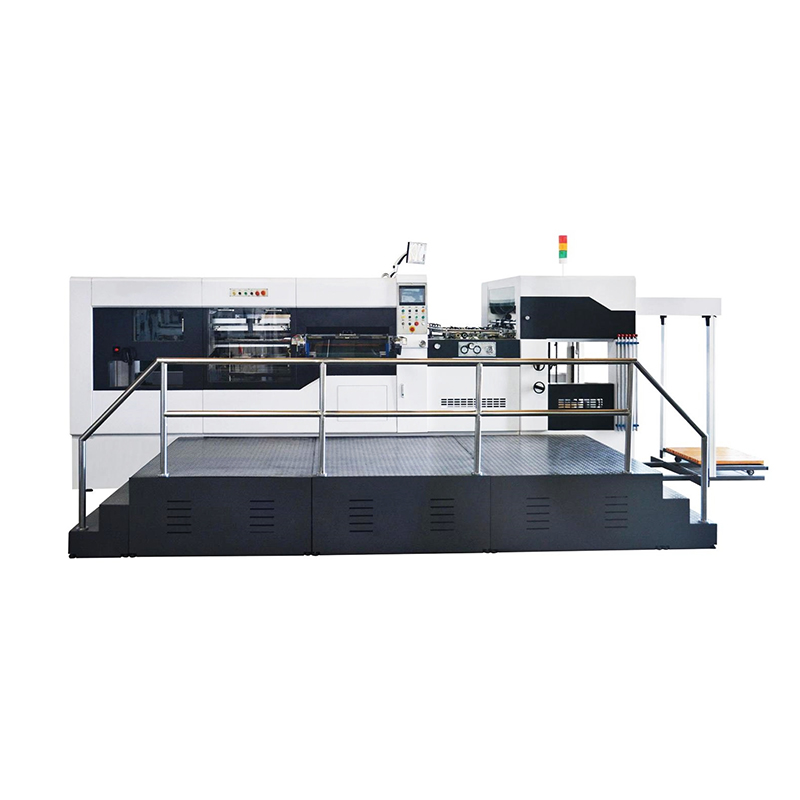
6. ماكينة القطع والتجعيد الطولية باستخدام التحكم الرقمي بالحاسوب (CNC): وحدة خاضعة للتحكم الحاسوبي تقوم بالقطع والتجعيد الطولي. ولا يمكن التنازل عن دقّتها لضمان إنتاج ألواح الصناديق التي تطوى بشكل مثالي على معدات تصنيع العلب الأوتوماتيكية.
7. ماكينة القص العرضي باستخدام التحكم الرقمي بالحاسوب (CNC): تقطع الكرتون المستمر إلى أطوال محددة بدقة. وكما في حالة ماكينة القص والتجعيد، فإن نظام التحكم الرقمي بالحاسوب (CNC) يضمن دقة قص قابلة للتكرار لكل ورقة.
8. المكدس التلقائي: يقوم تلقائيًا بعدّ، وتجميع، وربط الألواح المموجة المنتهية لنقلها إلى أقسام المعالجة اللاحقة. ويُلغي هذا التعامل اليدوي ويمنع تلف الألواح.
1. المعايير الكهربائية: يجب أن تكون خزائن الخط الإنتاجي الكهربائية والمحركات والمكونات متوافقة مع جهد الشبكة المحلية وتكرارها (مثلًا: المملكة العربية السعودية: 220-240 فولت/50 هرتز؛ الإمارات العربية المتحدة: 220-240 فولت/50 هرتز).
2. لوائح السلامة: يجب أن تمتثل الآلات للمعايير الدولية للسلامة (مثل CE) وأيَّة تعليمات محلية للسلامة الصناعية، مع تضمين الحمايات المناسبة وأزرار إيقاف الطوارئ ونقاط العزل/الوسم.
3. قابلية التكيف مع البيئة والمناخ: يجب أن تكون أنظمة التحكم والمكونات الميكانيكية مناسبة للعمل بموثوقية في البيئات شائعة في المنطقة مثل ارتفاع درجات الحرارة والرطوبة والغبار. وقد يتطلب ذلك ترقية أنظمة التبريد أو إضافة طلاءات واقية.
تمثل خط إنتاج المموج استثمارًا كبيرًا. ويتطلب تبرير هذا المصروف إجراء تحليل مالي شامل.
1. احسب الاستثمار
نفقات رأس المال: سعر شراء خط الإنتاج، والنقل، والتأمين، ورسوم الاستيراد.
نفقات التشغيل: التكاليف المستمرة للطاقة، والبخار، والمواد اللاصقة، وقطع الغيار للصيانة، والأيدي العاملة.
2. كمّن الفوائد
زيادة السعة الإنتاجية: يُحدث خط كفاءة عالي جديد زيادة كبيرة في الإنتاج، مما يمكنك من قبول طلبات أكثر.
تحسين استخدام المواد: يؤدي القَطع الطولي والعرضي الدقيق إلى تقليل هدر الورق، ما يعزز هوامش ربحك بشكل مباشر.
خفض تكاليف العمالة: تقلل الأتمتة من لفات الورق الخام إلى أجهزة التكديس الآلية من التدخل اليدوي.
جودة منتج أعلى: يقلل اللوح المموج المتسق والرديء من الهالك ويفتح المجال أمام أسواق عملاء أكثر تطلبًا وأعلى هوامش ربحًا.
صيانة أقل وفترات توقف أقل: الاستثمار في خطوط موثوقة بمكونات متينة (مثل بكرات كربيد التングستن) يعني حدوث انقطاعات إنتاجية أقل وانخفاض نفقات الصيانة على المدى الطويل.
عند تقييم خطوط إنتاج الكرتون المضلع من 3 إلى 5 إلى 7 طبقات، فإن المرونة في إنتاج درجات متعددة من استثمار واحد تعزز بشكل كبير إمكانات العائد على الاستثمار (ROI) من خلال تمكين خدمة شرائح سوقية متنوعة.
اختيار خط إنتاج الكرتون المضلع المناسب هو عملية معقدة لكنها قابلة للإدارة عند تنفيذها بالشكل الصحيح. من خلال تحديد متطلباتك بدقة بناءً على نوع اللوح، وحجم الإنتاج، ومواصفات الجودة، والشراكة مع شركة تصنيع ذات خبرة تقدم آلات قوية ودعمًا شاملًا، يمكنك اتخاذ استثمار يُرسي الأساس لنمو شركتك وربحية أعمالها لسنوات قادمة.
مستعد لتحديد مواصفات خط الإنتاج المثالي الخاص بك؟ اتصل بفريق الهندسة لدينا اليوم للحصول على استشارة شخصية وعروض أسعار مخصصة وفقًا لاحتياجات مصنعك المحددة.

شركة لينتشنغ، تصنيع خطوط إنتاج ورق كرتوني مصعد بـ 3 طبقات و5 طبقات و7 طبقات بسرعات متوسطة وعالية، آلة الطباعة المرونة مع قطع القوالب، ودعم تقني لآلات الكرتون
مقاطعة دونغقوانغ، مدينة تشانغتشو، مقاطعة خبي، الصين
حقوق النسخ © شركة خبي لينتشنغ لتغليف المعدات الصناعية المحدودة. جميع الحقوق محفوظة سياسة الخصوصية
 EN
EN